- May 20, 2026
- John
- No Comments
Online Therapy in California: Is It as Effective as In-Person Sessions?
Quick Summary
Many people are interested in therapy but still question if virtual sessions can really provide the same level of support as meeting face-to-face in an office. This guide explores what research says about online therapy in California, how telehealth sessions compare to traditional counseling, and why many California residents find virtual care just as meaningful, personal, and effective for ongoing mental health support.
For many adults considering therapy, one question tends to come up before anything else: Will online therapy actually work for me? Some people worry virtual conversations might feel distant, awkward, or less personal than sitting in a therapist’s office. Others wonder if meaningful emotional progress can really happen through a screen.
These concerns are understandable, especially for people trying therapy for the first time. Traditional in-person counseling has existed for decades, while telehealth therapy has become much more visible in recent years. Because of that shift, many people are still adjusting to the idea that emotional support and strong therapeutic relationships can happen virtually.
Online therapy in California has been studied extensively, and research continues to show strong outcomes for many mental health concerns. Many clients find virtual sessions just as emotionally connected and consistent as in-person care. Therapeutic progress remains strong regardless of the format.
Why Online Therapy in California Has Grown So Quickly
California residents often deal with long commutes, packed schedules, high living expenses, and demanding work environments. These factors can make attending weekly in-person therapy difficult, even for people who genuinely want support.
Virtual therapy has become more common because it removes many of those barriers. Instead of spending extra time driving across town or sitting in waiting rooms, clients can attend sessions from home, work, or another private location.
This flexibility has helped more people stay consistent with treatment over time. It has also expanded access for individuals living in areas with therapist shortages or limited mental health resources.
Many people who once postponed therapy due to scheduling difficulties now find online appointments more realistic for everyday life.
Is Online Therapy Effective? What Research Says
One of the biggest misconceptions about virtual therapy is the idea that it is somehow “less real” than office-based counseling. Research over the past several years tells a very different story.
Research from the American Psychological Association and peer-reviewed mental health journals consistently shows that online therapy is highly effective for many common mental health concerns. including:
- Anxiety disorders
- Depression
- Stress and burnout
- Trauma-related symptoms
- Relationship concerns
- Panic disorders
Research has found that many clients build strong therapeutic relationships through video sessions. A strong therapeutic relationship remains one of the most important factors in successful outcomes. Virtual sessions are easier to fit into busy schedules, so clients attending telehealth appointments tend to stay more consistent with care.
The Therapeutic Connection Still Matters Online
A common fear about virtual counseling is the belief that emotional connection disappears through a screen. Many people assume therapists cannot pick up on emotions, facial expressions, or subtle reactions during video appointments.
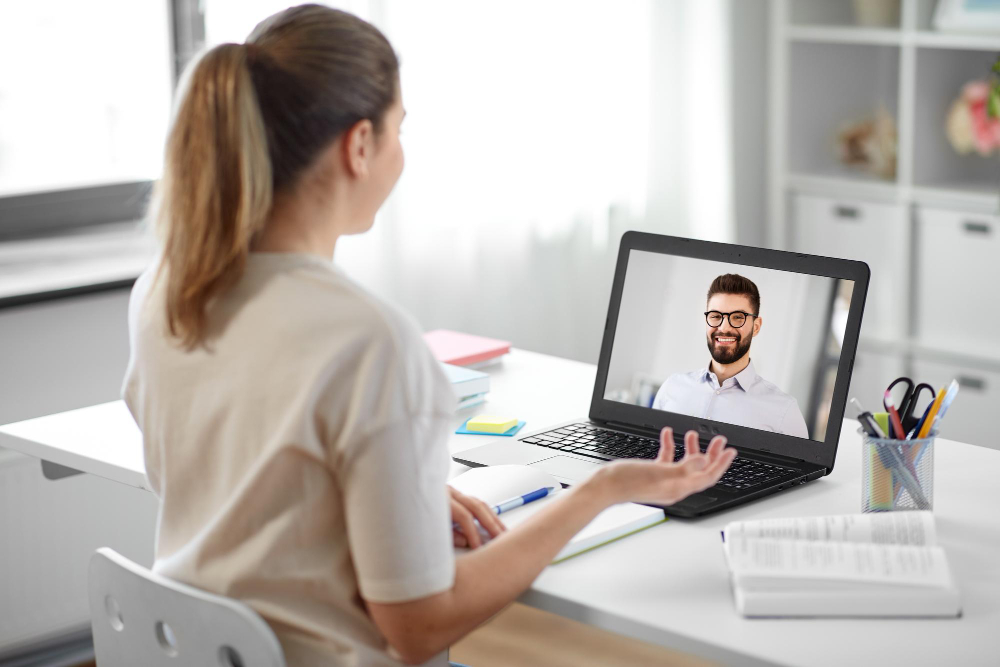
Therapists are trained to observe communication patterns, emotional cues, tone of voice, and body language during both in-person and virtual sessions. Video conversations still allow therapists and clients to interact face-to-face in real time.
For many clients, online sessions feel more comfortable because they can speak from familiar surroundings rather than an unfamiliar office. Being at home can help some people relax and open up more naturally during conversations.
Clients often report feeling surprised by how personal and emotionally connected virtual therapy becomes after the first few appointments.
Online Therapy Can Improve Consistency
One major advantage of telehealth is convenience. Consistency plays a large role in therapy progress, and virtual sessions can reduce many of the obstacles that cause people to miss appointments.
Common barriers to in-person therapy include:
- Long commute times
- Traffic stress
- Parking costs
- Childcare arrangements
- Work scheduling conflicts
- Limited local provider availability
When therapy becomes easier to attend regularly, many clients stay engaged with treatment longer. That consistency can lead to stronger emotional insight, healthier coping skills, and more stable progress over time.
For many California residents, convenience can make therapy feel more sustainable in the middle of demanding daily routines.
Virtual Therapy in California Still Provides Privacy
Some people assume virtual therapy is less private than office-based counseling. Licensed therapists use HIPAA-compliant telehealth platforms to protect confidential communication and personal information.
Clients can also create a comfortable and private setup at home by:
- Wearing headphones
- Sitting in a quiet room
- Using white noise outside the space
- Scheduling sessions during quieter hours
For some individuals, online appointments feel more private because they avoid sitting in waiting rooms or visiting public offices.
Privacy concerns are normal for first-time clients. Most people become comfortable quickly once they understand how protected virtual therapy platforms are.
Office-Based vs. Virtual Therapy in California
When discussing virtual vs. in-person therapy, it is important to recognize that both formats can be highly valuable. The best option often depends on a person’s preferences, comfort level, schedule, and specific mental health needs.
In-person therapy may feel helpful for clients who strongly prefer face-to-face interaction in a dedicated office environment. Some people simply enjoy physically separating therapy from home life.
At the same time, virtual therapy offers advantages that traditional office visits cannot always provide, including:
- Greater scheduling flexibility
- Easier access for rural communities
- Reduced commute stress
- More comfort for socially anxious clients
- Easier consistency with weekly sessions
Neither option is automatically “better” for every person. What matters most is finding a therapist and format that helps clients feel supported, understood, and comfortable speaking openly.
Telehealth Access Has Expanded Mental Health Support
One major benefit of virtual care is increased accessibility. Before telehealth became more common, many Californians faced major obstacles in finding nearby therapy.
Some communities had long waitlists or limited provider availability. Others lacked specialists for trauma, anxiety disorders, couples counseling, or other mental health concerns.
Research discussing telehealth therapy effectiveness in California has highlighted how virtual care expands access for individuals who previously struggled to connect with mental health providers consistently.
This wider access allows more people to receive support earlier rather than waiting until stress or emotional exhaustion becomes overwhelming.
Some Clients Prefer Online Therapy
Interestingly, many people who start virtual counseling eventually decide they prefer it over traditional office appointments.
Common reasons include:
- Feeling more relaxed at home
- Less stress before sessions
- Easier scheduling around work
- Greater privacy and comfort
- More flexibility during busy weeks
For clients managing anxiety or social discomfort, starting therapy from a familiar environment can make the process feel less intimidating.
That comfort sometimes helps people open up more honestly during sessions.
FAQs
Yes. Multiple studies and mental health organizations have found that virtual therapy can be highly effective for concerns such as anxiety, depression, stress, and trauma-related symptoms.
Yes. Many clients develop strong therapeutic relationships through virtual appointments. Emotional connection, trust, and communication can still develop naturally during video sessions.
For many people, yes. Virtual sessions remove barriers like commuting, parking, travel time, and scheduling stress, which can make regular attendance more manageable.
Finding the Right Therapy Experience for You
The best format of therapy is the one that allows you to feel comfortable, supported, and able to speak openly about your experiences. For many California residents, virtual therapy has made mental health support feel more accessible and realistic in everyday life.
While some people still prefer office-based counseling, others find that virtual appointments fit more naturally into their routines and help them stay more consistent with their care.
Being Well Therapy Group offers secure online therapy sessions for adults, couples, teens, and families throughout California. Our licensed therapists provide compassionate care through HIPAA-compliant telehealth appointments to fit into busy schedules. Clients get to receive a comfortable therapy experience without leaving home.